ICF Mentor Coaching Course Skills Development Programme 41 Hour
The Professional Mentor Coaching Certificate Programme by Mental Sea Coaching Academy is designed for experienced coaches who want to develop the mindset, structure, language and practical skills required to support other coaches in their professional growth. In addition, this 41-hour …
Overview
The Professional Mentor Coaching Certificate Programme by Mental Sea Coaching Academy is designed for experienced coaches who want to develop the mindset, structure, language and practical skills required to support other coaches in their professional growth.
In addition, this 41-hour programme focuses on mentor coaching identity, ICF Core Competencies, mentor coaching competencies, evidence-based session observation, written and verbal feedback, one-to-one mentor coaching, group mentor coaching and professional portfolio development.
Moreover, the programme is suitable for coaches who wish to strengthen their ability to listen to coaching sessions through a competency-based lens, provide constructive feedback, support credential preparation and create a safe developmental learning space for other coaches.

What is the ICF Mentor Coaching Programme?
Mentor coaching is not simply giving advice to a less experienced coach. Instead, it is a structured developmental process where the mentor coach observes real or simulated coaching performance and supports the coach’s growth through ethical, evidence-based and competency-focused feedback.
Therefore, this programme helps participants move from the identity of “coach” into the more advanced role of “mentor coach”. In this process, participants learn how to observe coaching behaviour, identify strengths, recognise missed opportunities, offer feedback without judgement and support the mentee’s unique coaching style.
Throughout the programme, participants are also invited to develop a professional mentor coaching presence that is ethical, clear, supportive, honest and aligned with coaching competencies.
Who Is the Mentor Coaching Course For?
In particular, this programme is suitable for:
- Professional coaches who want to become mentor coaches
- Coaches preparing to support ACC, PCC or MCC level development
- Coach educators and trainers who want to strengthen mentor coaching skills
- Coaches who already have coaching experience and want to support other coaches
- Coaching professionals who want to learn how to give competency-based feedback
- Coaches interested in ICF-aligned mentor coaching practice
- Coaching school faculty members who support student development
- Coaches who want to improve their session observation and feedback skills
However, participants should already have a strong understanding of coaching practice and professional coaching competencies before joining this programme.
Programme Aim
The aim of this programme is to help participants develop the professional knowledge, practical skill and reflective awareness needed to work effectively as mentor coaches.
As a result, by the end of the programme, participants will be able to observe coaching sessions, identify competency evidence, provide written and verbal feedback, design one-to-one and group mentor coaching processes, understand ethical boundaries and prepare a mentor coaching portfolio.
Learning Outcomes
By completing this programme, participants will therefore be able to:
- Explain the difference between coaching, mentor coaching, supervision, training, consultancy and assessment
- Understand the professional role and responsibilities of a mentor coach
- Read ICF Core Competencies through a mentor coaching lens
- Observe coaching sessions using evidence-based listening
- Identify strengths, development areas and missed opportunities in coaching sessions
- Provide constructive written and verbal feedback
- Support mentees without imposing a single coaching style
- Design one-to-one mentor coaching processes
- Facilitate group mentor coaching sessions
- Understand ACC, PCC and MCC level differences from a developmental perspective
- Work ethically with recordings, confidentiality, consent and professional boundaries
- Prepare a mentor coaching portfolio for professional development.
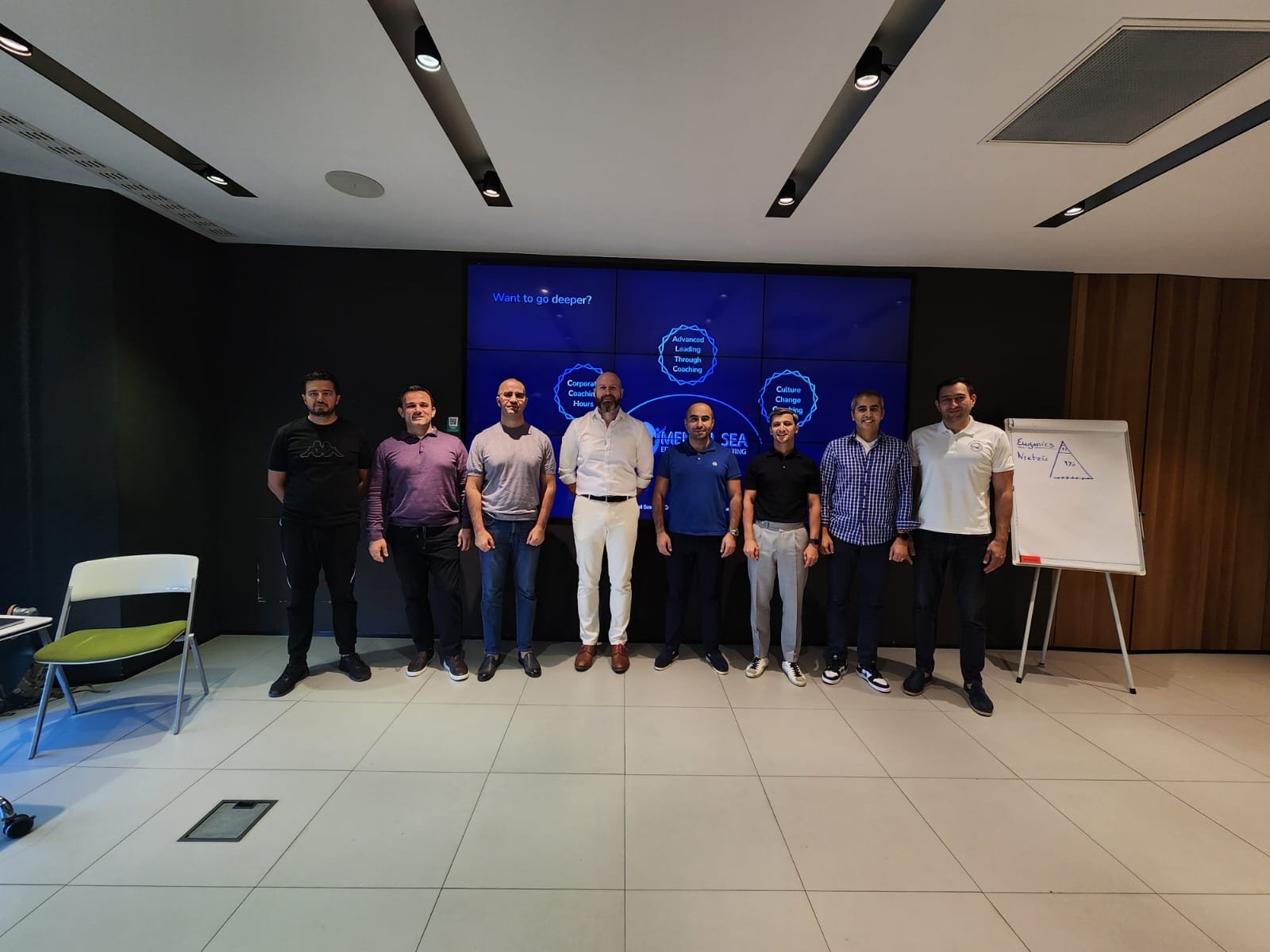
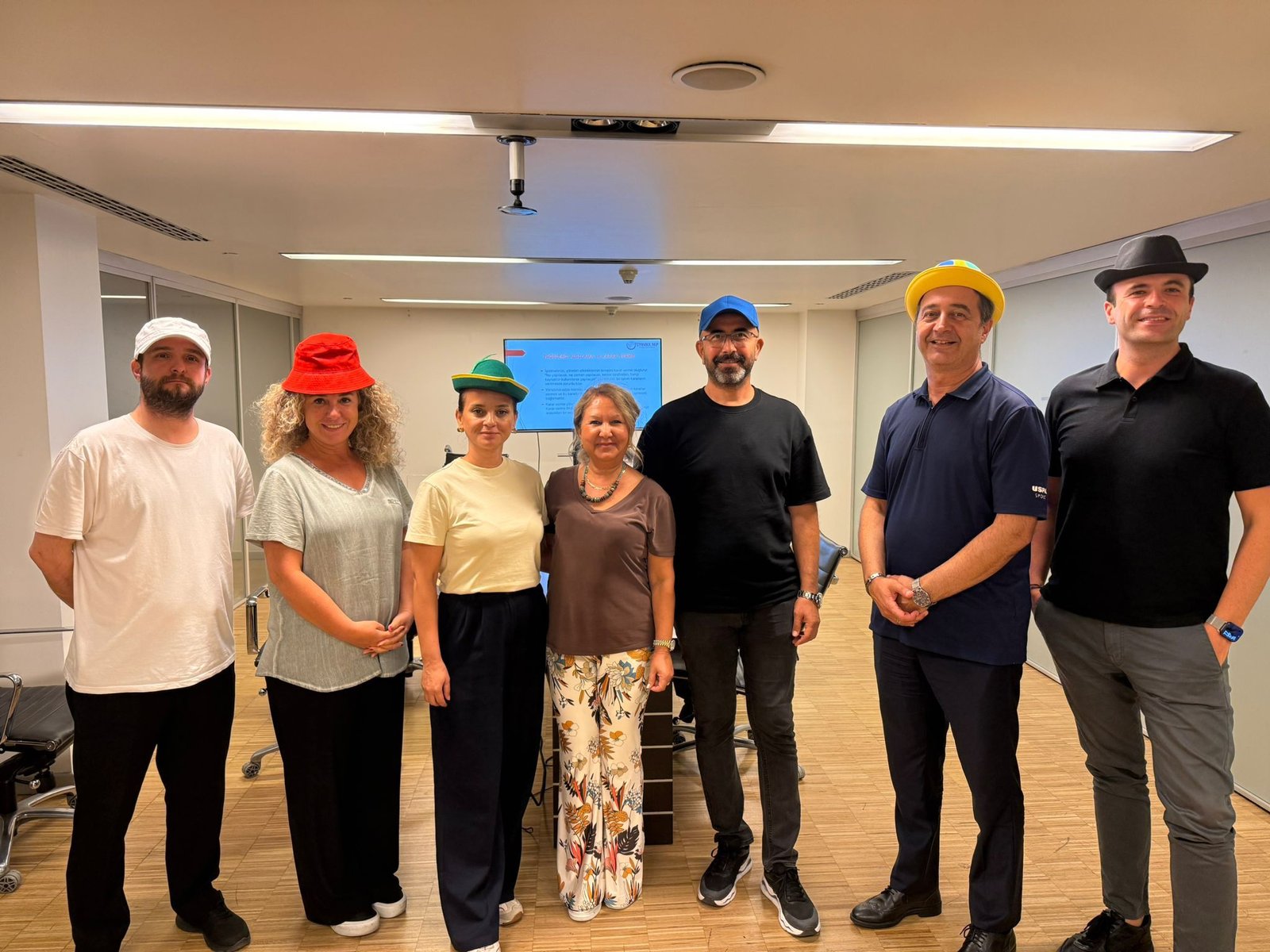
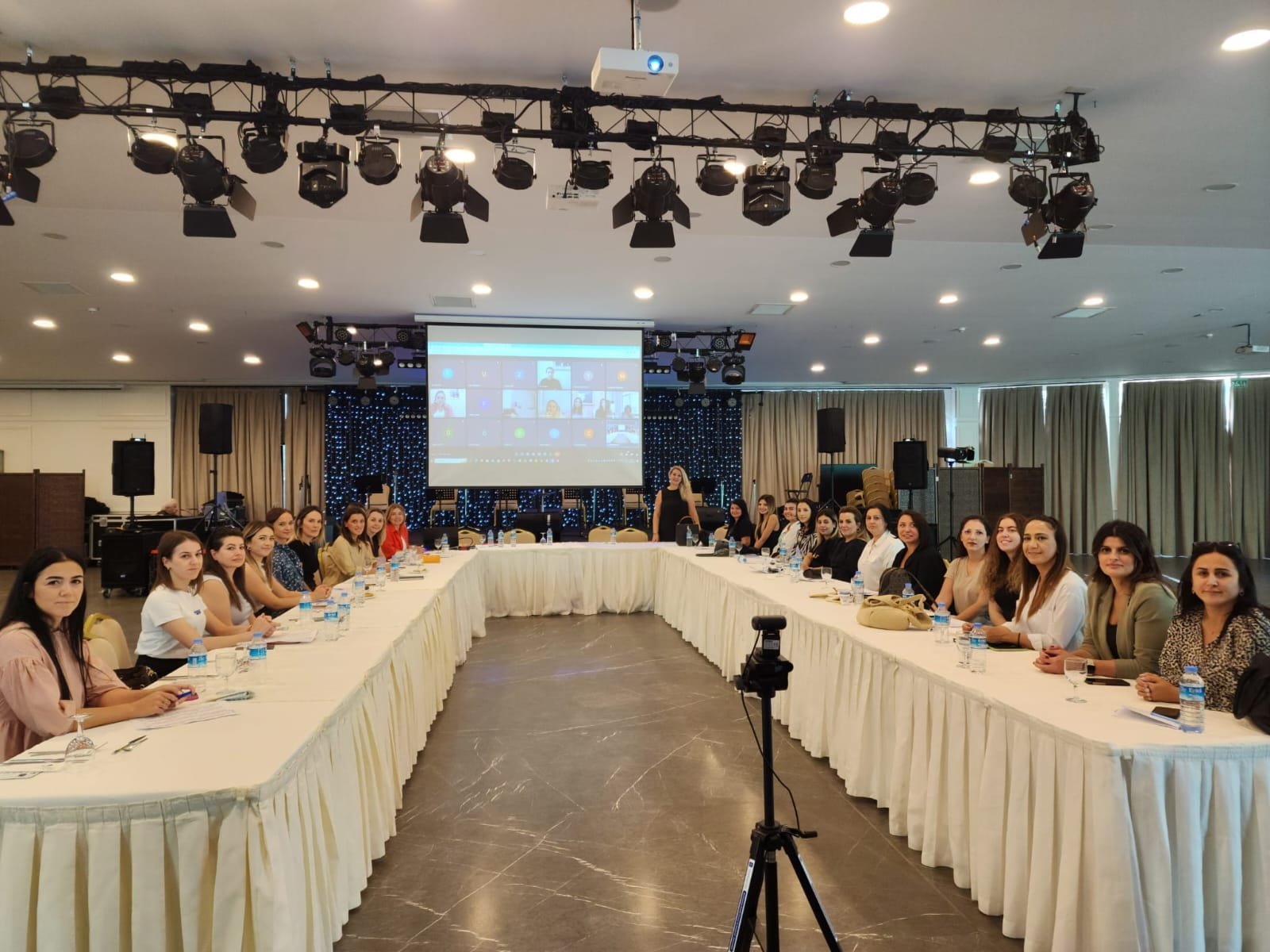
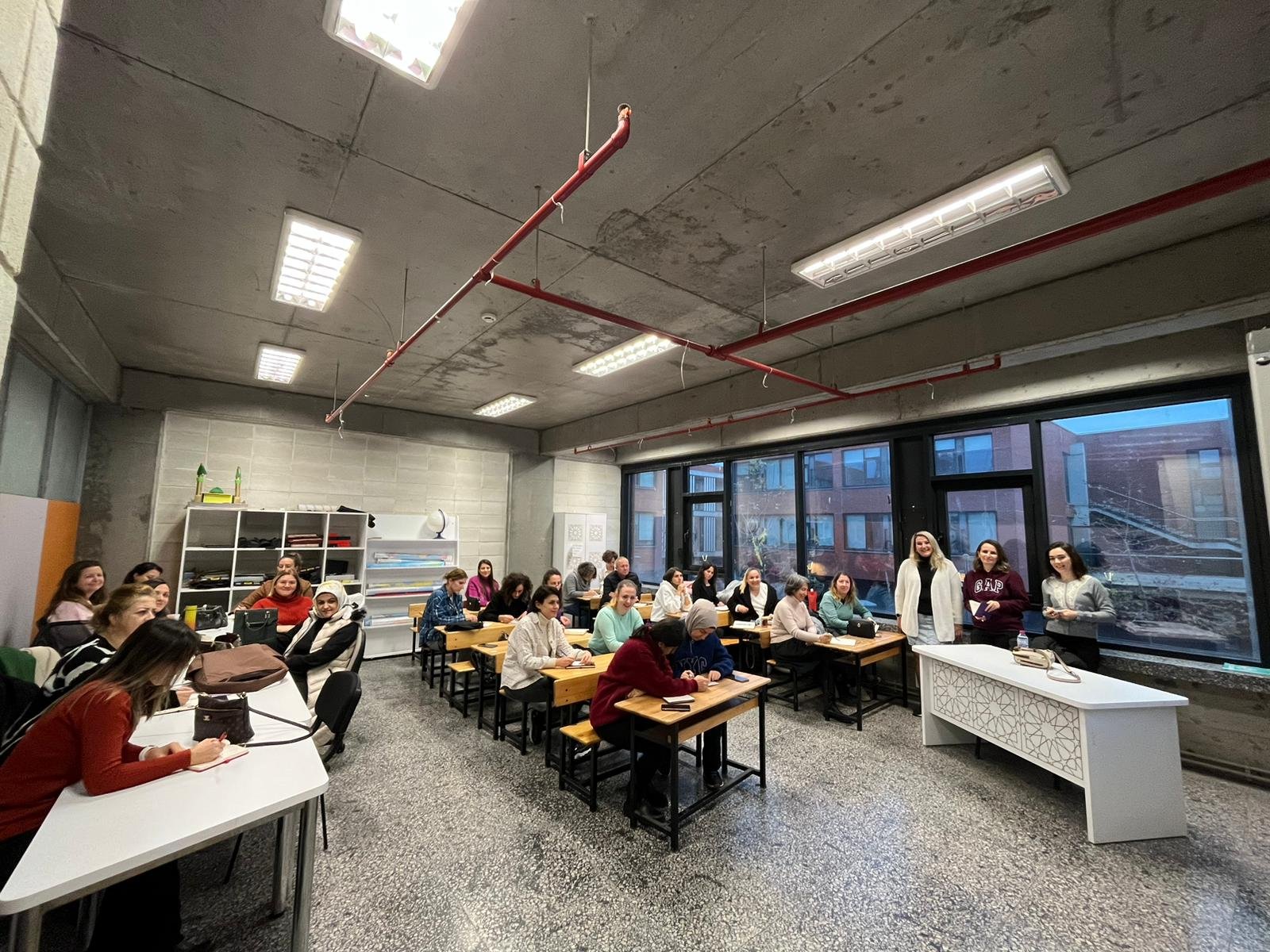
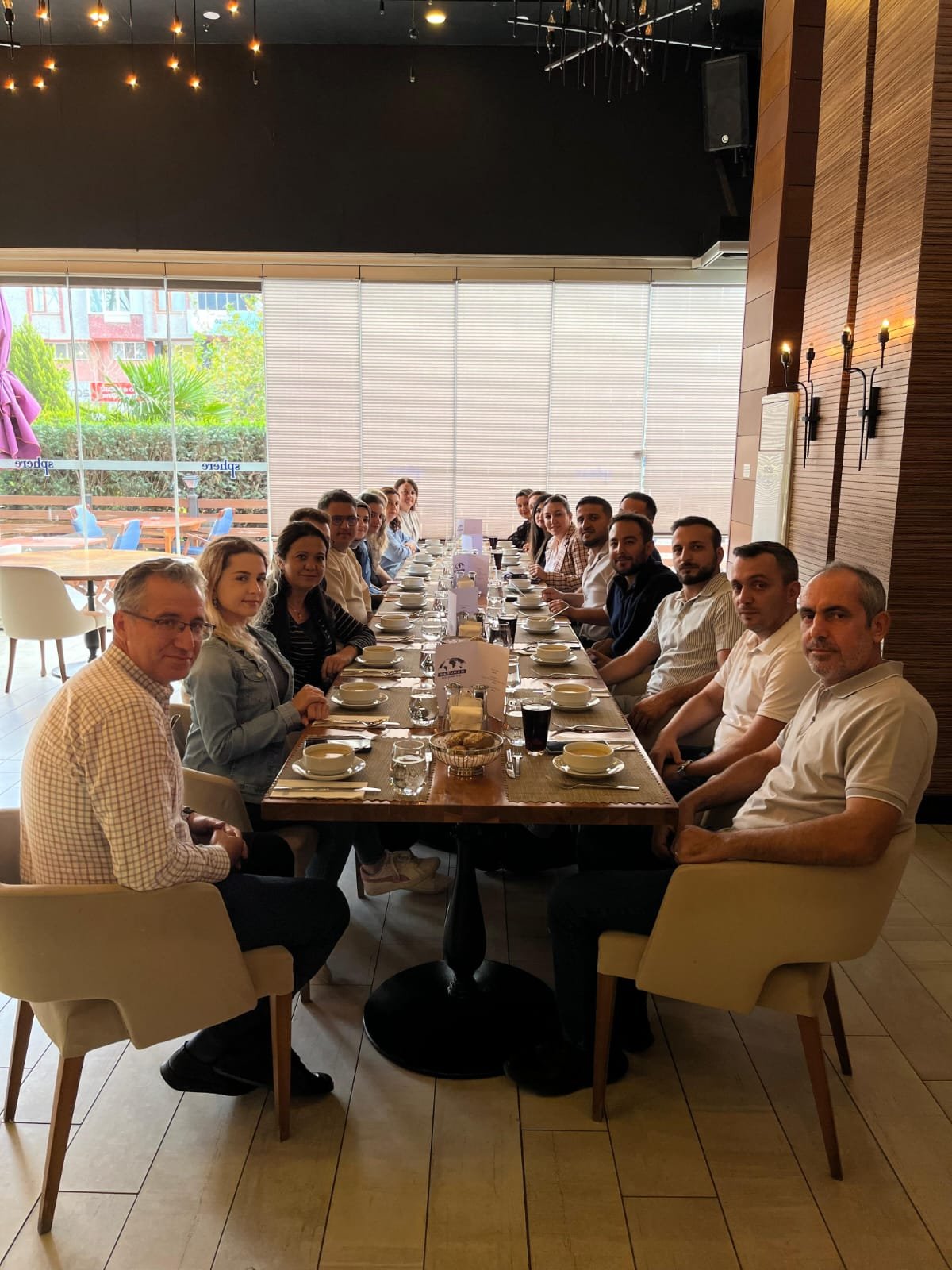
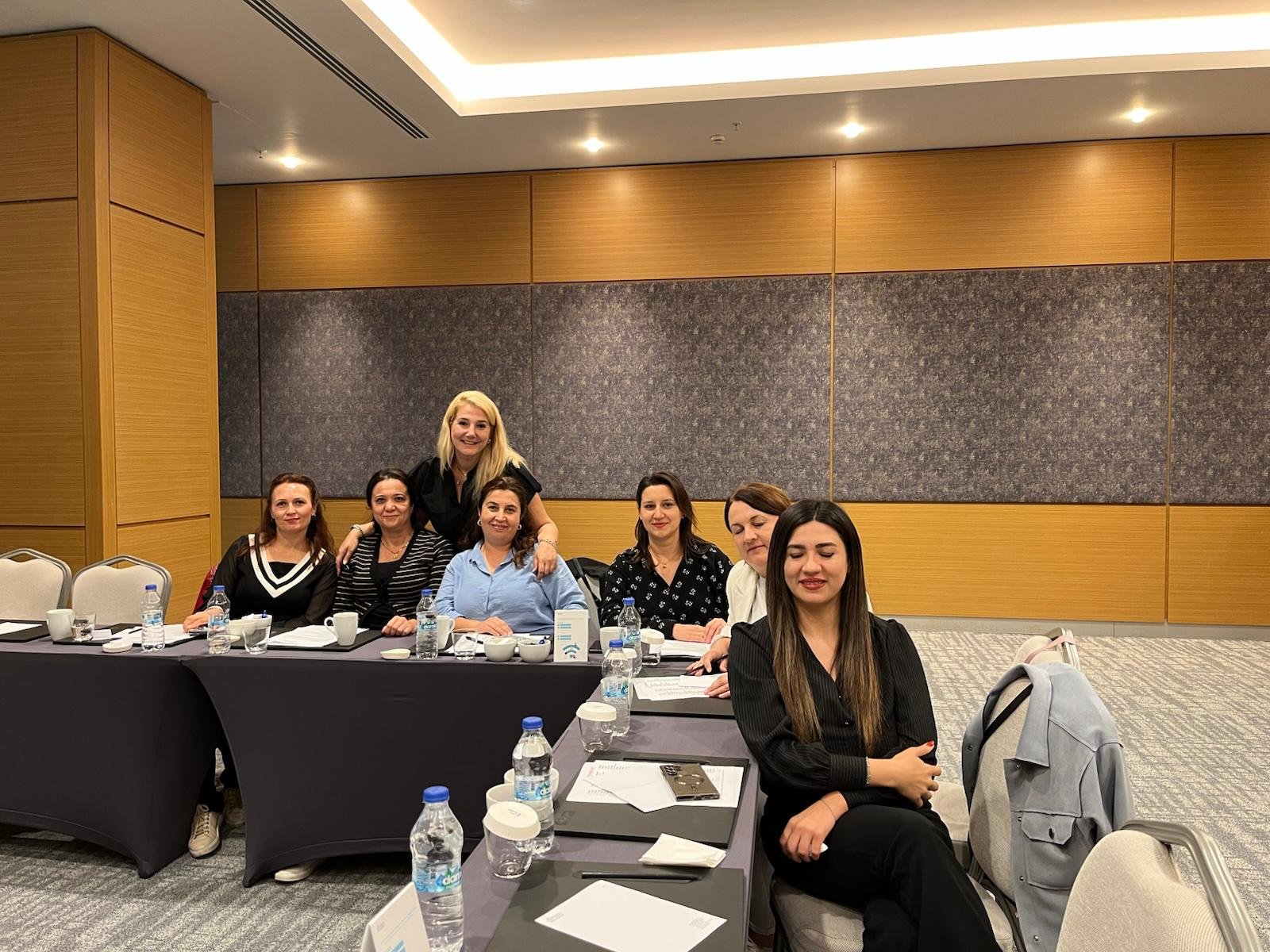
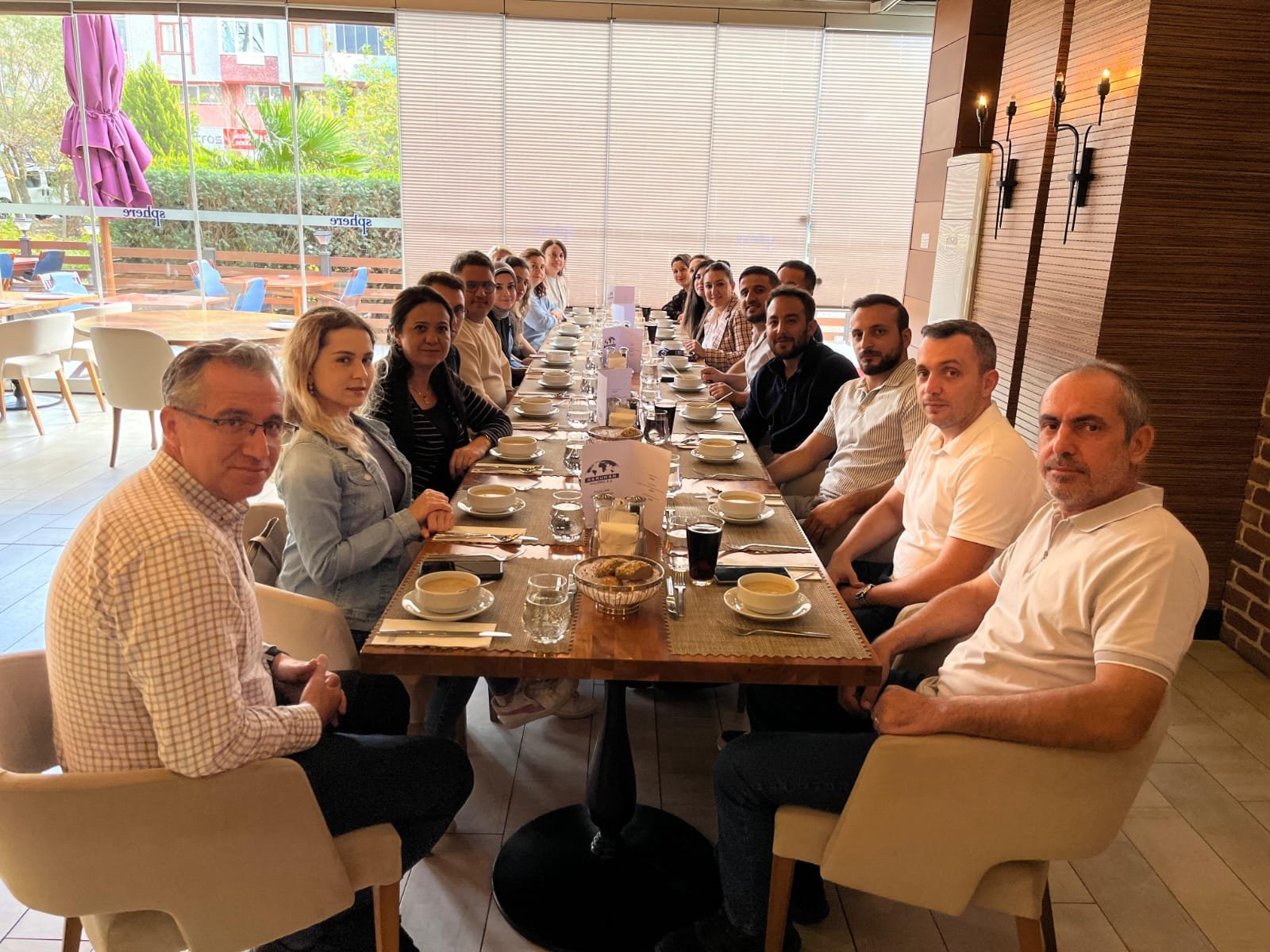
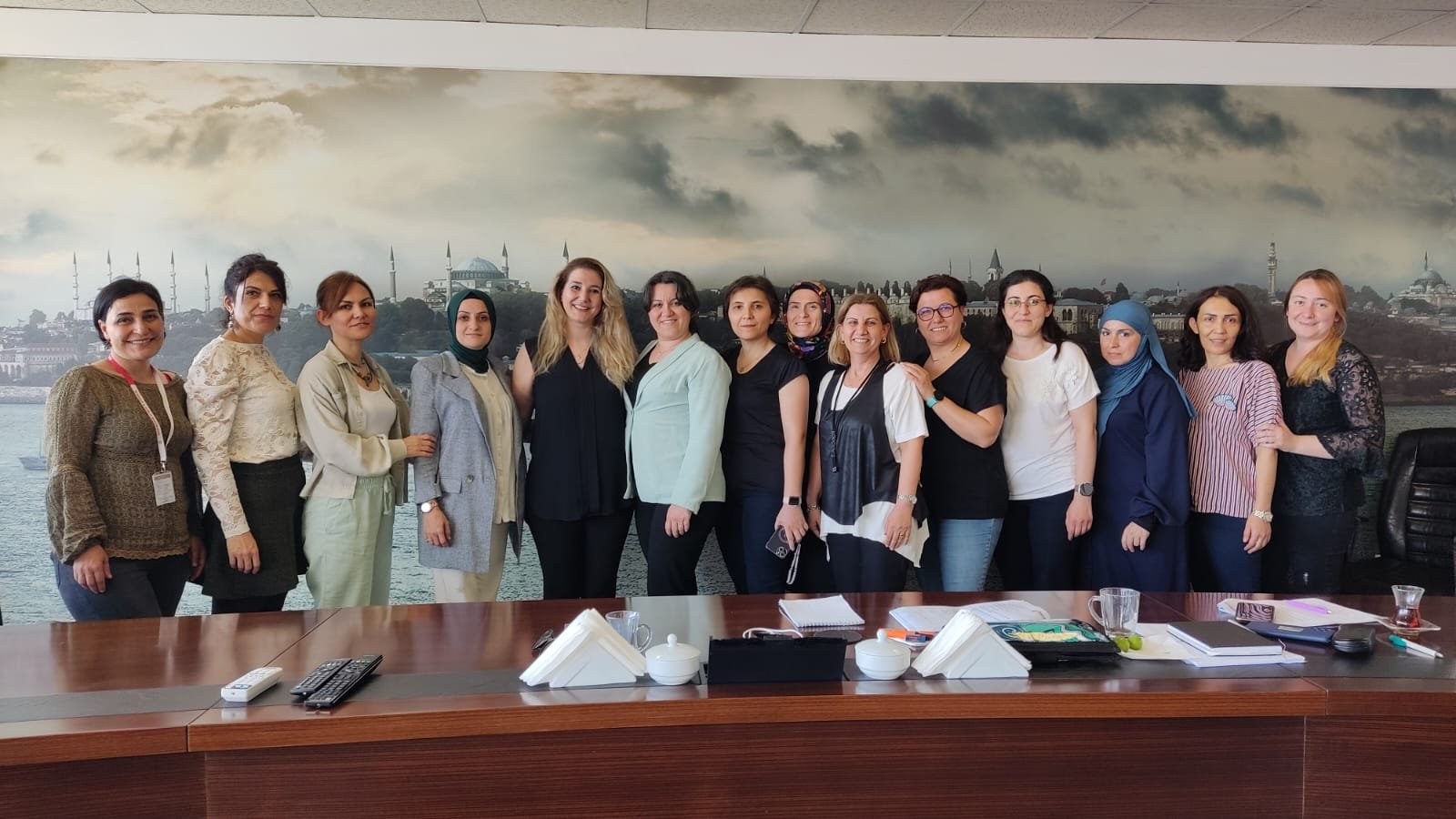
Gallery
Our Testimonials
Professional Mentor Coaching Certificate Programme Details
Explore the programme curriculum, mentor coaching practice, assessment and completion requirements.
Last Updated:
1. MENTOR COACHING IDENTITY AND ROLE TRANSITION
This module introduces the professional identity of the mentor coach. In particular, participants explore the transition from being a coach to becoming a mentor coach and learn how the focus changes from the client’s agenda to the coach’s coaching performance.
At the same time, the module clarifies the difference between mentor coaching, coaching, supervision, training, consultancy and assessment. Participants also learn how to support a mentee’s growth without becoming overly directive or turning the process into teaching or evaluation.
Key Mentor Coaching Identity and Professional Role Topics:
- What is a mentor coach?
- The difference between coaching and mentor coaching
- The difference between mentor coaching and supervision
- The difference between mentor coaching and training or consultancy
- The role of the mentor coach in credential preparation
- Supporting the mentee without taking over their learning
- Protecting the mentee’s unique coaching style
- Recognising the risks of advice-giving and over-directing
2. ICF MENTOR COACHING COMPETENCIES
This module explores the professional competencies that guide effective mentor coaching practice. Moreover, participants learn how mentor coaching requires both a strong coaching foundation and additional skills related to feedback, assessment, learning design and group process management.
Alongside these skills, the focus is on understanding mentor coaching as an ethical and developmental relationship. As a result, participants learn how to create a safe learning space, establish clear agreements, support skill development and provide formative feedback.
Key ICF Mentor Coaching Competencies:
- The structure of ICF Mentor Coaching Competencies
- Ethical foundations in mentor coaching
- Creating a shared learning space
- Establishing and maintaining the mentor coaching agreement
- Managing the mentor coaching process
- Supporting mentee development
- Formative appraisal and developmental feedback
- Group mentor coaching competencies
3. READING ICF CORE COMPETENCIES THROUGH A MENTOR COACHING LENS
In this module, participants learn how to listen to coaching sessions as mentor coaches. While a coach listens to the client, a mentor coach listens to the client, the coach and the competency evidence within the session.
Participants then learn how to observe whether the coach is demonstrating ethical practice, partnership, active listening, powerful questioning, awareness building and learning support. In this way, the module helps participants develop the ability to move from opinion-based feedback to competency-based observation.
Key ICF Core Competencies for Mentor Coaching:
- Listening as a mentor coach
- Observing ethical and professional practice
- Assessing the clarity of the coaching agreement
- Recognising active listening and client-centred language
- Identifying powerful questions and awareness-building moments
- Observing how the coach supports learning and growth
- Noticing advice, analysis, interpretation and directing
- Connecting session moments with ICF Core Competencies
4. ACC, PCC AND MCC LEVEL DIFFERENCES
This module helps participants understand how coaching performance develops across different credential levels. However, the focus is not on judging the coach, but on recognising the level of coaching maturity demonstrated in the session.
From this perspective, participants explore the general differences between ACC, PCC and MCC level coaching, including structure, partnership, depth, presence, simplicity and transformation. They also learn how to discuss level differences with mentees in a way that is honest, supportive and developmentally useful.
Key ACC, PCC and MCC Coaching Level Topics:
- Understanding credential level differences
- ACC level: structure and foundational coaching skills
- PCC level: partnership, depth and client-led discovery
- MCC level: mastery, simplicity, presence and transformation
- Recognising advice, direction and analysis risks
- Speaking about readiness without making guarantees
- Supporting the mentee with realistic and encouraging feedback
5. SESSION LISTENING AND EVIDENCE COLLECTION
More specifically, this module focuses on one of the most important mentor coaching skills: listening for evidence. Therefore, participants learn how to move away from personal preference and instead observe specific coaching behaviours, client responses and competency indicators.
In practice, the module introduces practical methods for listening to session recordings, taking time-stamped notes, identifying strong evidence, recognising development opportunities and selecting the most useful examples for feedback.
Key Coaching Session Observation and Evidence Topics:
- Evidence-based session observation
- The difference between opinion and evidence
- Listening to a session in stages
- Taking time-stamped observation notes
- Identifying strong competency evidence
- Identifying development evidence
- Recognising missed opportunities
- Linking evidence to coaching competencies
- Preparing observation notes for feedback
6. THE ART OF GIVING FEEDBACK
Above all, feedback is at the heart of mentor coaching. For this reason, participants learn how to provide feedback that is clear, respectful, honest, developmental and useful.
Building on this foundation, participants practise giving feedback that recognises strengths, names development areas and offers practical next steps. They also learn how to avoid judgemental language, reduce defensiveness and help mentees reflect on their own coaching practice.
Key Mentor Coaching Feedback Skills:
- The purpose of feedback in mentor coaching
- Balancing appreciation, observation and development
- Giving feedback without judgement
- Separating the coach from the coaching behaviour
- Supporting mentees who become defensive
- Writing clear written feedback
- Giving verbal feedback in a supportive way
- Creating feedback that leads to practical growth
7. DESIGNING A ONE-TO-ONE MENTOR COACHING PROCESS
This module teaches participants how to design a structured one-to-one mentor coaching process. Importantly, mentor coaching is not just a conversation about a recording; it is a professional development process with clear agreements, goals, confidentiality, feedback methods and progress review.
Throughout the process, participants learn how to conduct an initial meeting, define the mentee’s goals, manage session recordings, use observation forms, create development plans and complete a final readiness review.
Key One-to-One Mentor Coaching Process Topics:
- Designing the mentor coaching journey
- Initial consultation and goal setting
- Establishing a mentor coaching agreement
- Working with session recordings
- Confidentiality and recording consent
- Using session observation forms
- Creating a mentee development plan
- Mid-process review
- Final readiness review
- Clarifying that credential outcomes cannot be guaranteed
8. MANAGING A GROUP MENTOR COACHING PROCESS
Similarly, group mentor coaching requires more than placing several coaches in one room. Instead, it requires skilled facilitation, psychological safety, confidentiality, fair participation and competency-based discussion.
Within this setting, participants learn how to manage group learning, guide feedback conversations, keep the group focused on evidence and create a safe space where coaches can learn from each other’s sessions.
Key Group Mentor Coaching Skills and Processes:
- The difference between individual and group mentor coaching
- Creating psychological safety in the group
- Establishing group confidentiality
- Managing time and participation fairly
- Facilitating group observation
- Keeping feedback evidence-based
- Working with different credential levels in one group
- Managing judgemental comments
- Supporting quiet or defensive participants
- Conducting group debriefs
9. WORKING WITH ACC BARS, PCC MARKERS AND MCC BARS
At this stage, this module introduces participants to the logic of behavioural assessment tools and markers used in credential-related coaching evaluation. However, the aim is not to reproduce official assessment materials, but to help participants understand how to listen consistently and developmentally.
With that distinction in mind, participants learn how to use markers and behavioural indicators as a guide for feedback, not as a tool for labelling or scoring the mentee. Meanwhile, the module explores calibration and the importance of separating personal coaching preferences from competency evidence.
Key ACC BARS, PCC Markers and MCC BARS Topics:
- Understanding the purpose of BARS and markers
- Behaviour-based observation
- Minimum skills requirements
- The difference between scoring and developmental feedback
- Calibration in mentor coaching
- Avoiding personal preference as an assessment standard
- Using official sources responsibly
- Supporting mentees without making assessment guarantees
10. ETHICS, BOUNDARIES AND CONFIDENTIALITY IN MENTOR COACHING
Above all, ethics is central to mentor coaching because the process involves the mentee, the mentee’s client and the wider professional context. For this reason, this module helps participants understand the ethical responsibilities involved in working with recordings, feedback, confidentiality and role boundaries.
Equally important, participants learn how to handle recording permissions, protect client privacy, manage power dynamics and clearly separate mentor coaching from teaching, supervision, consultancy and assessment.
Key Mentor Coaching Ethics, Boundaries and Confidentiality Topics:
- Ethical responsibilities of the mentor coach
- Confidentiality in mentor coaching
- Client consent for session recordings
- Safe handling and storage of recordings
- Power dynamics in feedback conversations
- Role boundaries between mentor coach, trainer, supervisor and assessor
- Giving difficult feedback ethically
- Supporting mentees who are not ready for credential submission
- Maintaining professional integrity
11. MENTOR COACHING PRACTICE LABORATORY
This practical module gives participants the opportunity to apply what they have learned. In practice, participants listen to sample coaching sessions, collect evidence, prepare feedback and practise mentor coaching conversations.
Meanwhile, the practice laboratory helps participants develop their own mentor coaching style while receiving peer and trainer feedback. However, the aim is not perfection, but professional growth, ethical awareness and skill development.
Key Mentor Coaching Practice and Development Skills:
- Listening to sample coaching recordings
- Competency-based note taking
- Preparing written feedback
- Practising one-to-one mentor coaching
- Practising group mentor coaching facilitation
- Receiving peer feedback
- Receiving trainer feedback
- Reflecting on personal mentor coaching style
- Identifying strengths and shadow risks
- Creating a personal development plan
12. FINAL REFLECTION AND MENTOR COACHING PORTFOLIO
Finally, the final module supports participants in gathering their learning into a professional mentor coaching portfolio. In this way, the portfolio demonstrates that the participant can design a process, observe a session, provide feedback, create a development plan and reflect on their own mentor coaching practice.
To conclude the learning process, participants complete final reflection activities and identify their next steps as developing mentor coaches.
Portfolio elements may include:
- Mentor coaching agreement sample
- Session observation form
- Written feedback sample
- Mentee development plan
- One-to-one mentor coaching reflection
- Group mentor coaching reflection
- Personal mentor coaching development plan
- Ethics and confidentiality checklist
- Learning reflection
PROGRAMME FORMAT
Overall, this is a 41-hour online certificate programme delivered by MentalSea Academy®️.
As part of the learning experience, the programme includes teaching, guided discussion, session observation, reflection exercises, feedback practice, group learning and portfolio development.
Upon completion, participants receive a certificate of completion after meeting the programme participation and completion requirements.
ASSESSMENT AND COMPLETION
In terms of completion, this programme is designed as a developmental learning experience. Therefore, participants are expected to engage in discussions, complete reflection exercises, practise feedback skills and prepare portfolio materials.
Completion may include:
- Active participation in training sessions
- Session observation exercises
- Written feedback practice
- One-to-one mentor coaching simulation
- Group mentor coaching simulation
- Reflective learning notes
- Mentor coaching portfolio tasks
However, this programme does not guarantee any ICF credential result. For this reason, participants are responsible for checking the latest ICF requirements directly through official ICF sources before making any credential application.
WHAT MAKES THIS PROGRAMME DIFFERENT?
In particular, the MentalSea Academy®️ approach combines professional coaching standards with practical mentor coaching application. However, the programme is not limited to theory; it helps participants build the actual language, structure and confidence needed to support other coaches.
Beyond theory, participants learn how to listen deeply, observe accurately, speak honestly, give feedback respectfully and hold a developmental space where mentees can grow without losing their own coaching voice.
Ultimately, this programme is ideal for coaches who want to move into a more advanced professional role and contribute to the development of other coaches with clarity, integrity and skill.
IMPORTANT NOTE
Importantly, this programme is designed for educational and professional development purposes. Therefore, it is not presented as ICF accredited, ICF approved or ICF certified unless separately confirmed in writing by Mental Sea Academy®️.
Since ICF credential, mentor coaching and accreditation requirements may change over time, participants should always review the latest official ICF information before making any credential-related decisions.
COURSE CALENDAR
| DATE | SCHEDULE | DURATION | TIME |
|---|---|---|---|
| 10-11-12-17-18-19 August 2026 + Coaching Practice & Mentoring Days | WEEKDAYS | 8 WEEKS+ | 09:00–14:00 UK Time (GMT+1) |
| 14-15-16-21-22-23 September 2026 + Coaching Practice & Mentoring Days | WEEKDAYS | 8 WEEKS+ | 09:00–14:00 UK Time (GMT+1) |
| 12–13–14 October 2026, 26–27–28 October 2026 + Coaching Practice & Mentoring Days | WEEKDAYS EVENING | 8 WEEKS+ | 17:30–21:30 UK Time (GMT+1) |
| 9–10–11 November 2026, 23–24–25 November 2026 + Coaching Practice & Mentoring Days | WEEKDAYS | 8 WEEKS+ | 09:00–14:00 UK Time (GMT+1) |
| 9–10–11 November 2026, 23–24–25 November 2026 + Coaching Practice & Mentoring Days | WEEKDAYS EVENING | 8 WEEKS+ | 17:30–21:30 UK Time (GMT+1) |
| 7–8–9 December 2026, 21–22–23 December 2026 + Coaching Practice & Mentoring Days | WEEKDAYS | 8 WEEKS+ | 09:00–14:00 UK Time (GMT+1) |
| 7–8–9 December 2026, 21–22–23 December 2026 + Coaching Practice & Mentoring Days | WEEKDAYS EVENING | 8 WEEKS+ | 17:30–21:30 UK Time (GMT+1) |
CONTACT US!
Please contact us for details and registration.
FOR DETAILED INFORMATION:
MENTAL SEA ACADEMY INTERNATIONAL
162, 168 Regent St., London W1B 5TB
Telephone: +44 (0) 20 4602 66 70
WhatsApp: +44 (0) 7770 319 835
E-Mail: info@mentalsea.co.uk
Web: www.mentalsea.co.uk
SIMILAR COACHING TRAINING PROGRAMMES
Explore Mental Sea Academy®️ Coaching Training Programmes
- ICF Level 1 Professional Expert Coaching Programme
- Executive & Team Coaching Training Certificate Programme
- Relationship Coaching Training Certificate Programme
- NLP Practitioner Training Certificate Programme
- Education & Student Coaching Certificate Programme
- Breath Coaching Training Certificate Programme
ENROL IN THE PROFESSIONAL MENTOR COACHING CERTIFICATE PROGRAMME
Develop the skills, confidence and professional presence to support other coaches in their growth.
From there, join the Professional Mentor Coaching Certificate Programme by Mental Sea Academy®️ and learn how to observe coaching sessions, provide competency-based feedback and design ethical mentor coaching processes.
As a next step, start your journey as a professional mentor coach with Mental Sea Academy®️
You May Like
Student Education and Training Programme
What is the Student Education and Training Programme? The Student Education and Training Programme involves an accommodation approach for students at all levels of their...

Corporate Coaching Course ICF
Enhance your coaching skills with the ICF Corporate & Executive Coaching Programme by Mental Sea Academy. Leaders, HR professionals, and upcoming coaches are targeted with...

Corporate Coaching and Consulting Certification Programme
Corporate Coaching and Consulting Certification Programme Equip yourself with the skills to coach leaders, transform businesses, and create high-performing teams with our comprehensive Corporate Coaching...

Meditation Coaching and Teacher Training Certification
Unlock the Power of Meditation Coaching Meditation today seems much more relevant than ever in this fast-paced world. Being a meditation coach and trainer can...

Reiki Energy Healing Therapy 1-2-3 Certification Training
Programme Overview: What is Reiki? Reiki is a Japanese energy healing technique that channels universal life force energy through the practitioner to promote physical, emotional,...